AI Voicemail: the Answering Machine That Talks Back

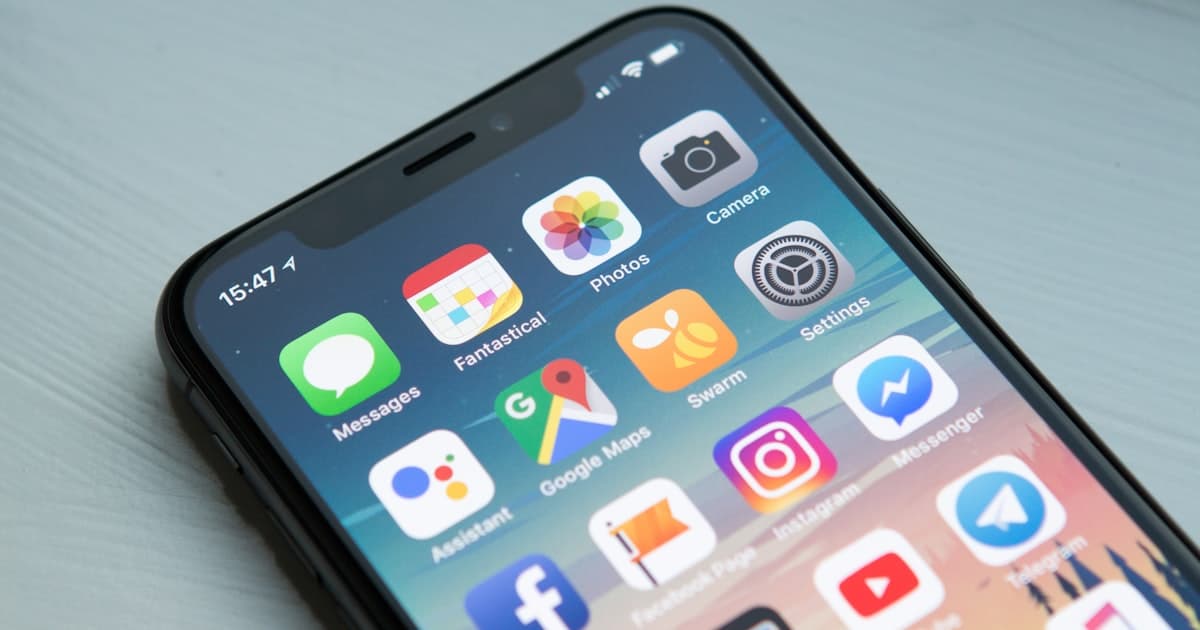
Every generation of phone technology has promised the same thing: never miss a call again. The answering machine recorded the caller. Voicemail moved the tape into the network. Voicemail-to-text turned the recording into something you could read in a meeting. And now "AI voicemail" transcribes, summarises and even screens your calls. Each step made the *message* better. None of them changed the fact that the caller's actual question went unanswered — until the most recent step, where the answering machine finally learned to talk back.
In short: AI voicemail tools transcribe, summarise and screen the calls you miss — a genuinely better voicemail, but the caller still hangs up unserved, and most never leave a message at all. An AI answering machine that talks back — an AI receptionist — answers the call itself: questions handled, appointments booked, urgent calls escalated, around the clock.
How did we get from the answering machine to AI voicemail?
The lineage is worth tracing, because each generation fixed the previous one's annoyance — for the *owner* of the phone, not the caller.
- The answering machine (1980s–90s). A cassette in your hallway. It proved people would speak to a machine, but messages lived in one physical place and you heard them when you got home.
- Network voicemail (1990s–2000s). The carrier took over the recording. Messages followed you, but retrieving them meant dialling in, PINs, and "you have… seven… new messages".
- Visual voicemail and voicemail-to-text (2010s). Messages became a list you could see, then text you could read. Hugely more convenient — and arriving just as people stopped wanting to do voice messaging at all.
- AI voicemail (2020s). Transcription got accurate, summaries got smart, and the greeting itself got dynamic. The recording layer is now genuinely intelligent.
Meanwhile the way people use phones shifted underneath all of it. Ofcom's *Communications Market Report 2025* records UK landline call minutes falling 23% in a single year — down 5.3 billion minutes in 2024 — with 90% of all call minutes now originating on mobiles. Calls are scarcer and more deliberate than they were in the answering machine's heyday. When someone does ring a business in 2026, they want something *now* — which is exactly the expectation voicemail, however intelligent, cannot meet.
What do AI voicemail tools actually do today?
Modern AI voicemail — built into handsets, carrier services and business phone apps — is genuinely useful. At category level, the feature set looks like this:
- Transcription. Speech-to-text accurate enough that you rarely need to play the audio. The voicemail becomes a readable message in your inbox.
- Summaries. Instead of a 90-second ramble, you get two lines: who called, what they want, what number to call back.
- Smart greetings. Context-aware greetings that mention the caller, your availability or the reason you can't answer — a more polished front than the beep.
- Call screening. The assistant asks who's calling and why, transcribing live so you can decide whether to pick up — and filtering the spam that makes people ignore unknown numbers in the first place.
- Voicemail triage. Messages tagged urgent vs routine, sorted, searchable, sometimes with suggested reply texts.
If you're going to miss calls, this is unambiguously the best way to miss them ever invented. That sentence contains the whole problem.
Why does even the smartest voicemail still lose the caller?
Because the structural limit of every voicemail generation is the same: the caller hangs up unserved. The technology improves what happens *after* the miss; it does nothing about the miss itself.
The behavioural evidence is blunt:
- As reported by *CRM Magazine* (2014), Forbes found that 80% of callers sent to voicemail don't leave a message — because they don't believe it will be heard. The transaction ends at the beep for four callers in five, which means the world's best transcription engine has nothing to transcribe.
- The same report noted voicemail use already in structural decline: carrier data from Vonage showed voicemail deposits down 8% and retrieved messages down 14% in a matter of months — people increasingly neither leave messages nor listen to them.
- Even messages that *are* left typically sit unheard for hours (Nuance research, reported in the same piece, put it at eight hours or more) — and lead-response research from Harvard Business Review / MIT (Oldroyd et al.) shows the first business to respond wins most of the time. A callback hours later is usually a callback to someone who has already booked elsewhere.
Put those together and the AI voicemail value chain collapses for a business: most callers leave nothing, the few messages left go stale, and the callback loses the race. The cost of that chain is the subject of our guide to what missed calls cost UK businesses — for most small firms it's the most expensive line item that never appears in the accounts.
To be fair, for a *personal* phone, AI voicemail is the right tool: your friends will text you anyway, and screening spam is most of the job. The structural limit bites when the caller is a customer holding money.
What changes when the answering machine talks back?
The newest generation breaks the pattern. An AI answering machine that talks back — the product category is usually called an AI receptionist — doesn't record the call you missed. It takes the call you would have missed and *completes* it:
- It answers questions. Opening hours, prices, directions, "do you handle X?" — resolved on the call, in a natural spoken conversation, not deferred to a callback.
- It books appointments. The caller wanting Tuesday at 3pm leaves with Tuesday at 3pm in your calendar — the single highest-value thing a missed call usually contains.
- It triages. Emergencies escalate to your mobile immediately; routine matters become a structured, transcribed summary; spam is turned away. You still get the neat AI summary — but of a *served* caller, not an abandoned one.
- It answers in the caller's language. fonea, for example, detects whether the caller speaks English, Spanish, German, French or Italian and replies in kind, on one number — hosted in the EU and GDPR-first, from £90/€90 per month with 120 minutes included, month-to-month with no minimum term.
- It never sleeps. The 7pm caller gets the same service as the 10am caller — see after-hours answering for why evenings and weekends are where voicemail quietly does the most damage.
The comparison in one line: AI voicemail gives *you* a better record of the calls you lost. An AI receptionist makes sure you didn't lose them.
Make the phone talk back
fonea answers the calls your voicemail used to lose, completing the conversation and booking the appointment instead of recording a miss.
How do you switch from voicemail to an AI answering machine?
Mechanically, the switch is the same call-divert plumbing your voicemail has always used — you're simply pointing the divert at something more capable. No new number, no rewiring:
1. Get your AI receptionist's number. Sign up, configure your business details (services, hours, FAQs, escalation rules) in a dashboard, and you receive a forwarding destination. 2. Set the divert on your existing line. On most UK and EU mobile networks the standard GSM codes apply: *21*number# diverts all calls, while *61*number# (no answer), *67*number# (busy) and *62*number# (unreachable) cover conditional diverts — the same conditions that currently send callers to voicemail. #002# cancels all diverts if you change your mind. Landline and VoIP providers offer the same options in their settings. 3. Choose your mode. Cautious start: divert only on busy/no-answer, so the AI catches exactly the calls voicemail used to get. Full coverage: divert everything and let the AI escalate to you by your rules. 4. Review the first week. Read the call summaries, tighten the FAQ answers, adjust escalation. This replaces "checking your messages" — except the messages are now completed conversations and booked appointments.
Most carriers' voicemail can stay provisioned underneath as a dead-letter fallback; you'll simply find nothing arrives there any more.
What should you keep voicemail for?
An honest guide says it plainly: voicemail isn't entirely dead, and AI voicemail features have legitimate jobs.
- Your personal mobile. Friends and family text; screening and transcribing the occasional real voicemail is all you need.
- Lines that exist to receive recordings. A confidential HR or whistleblowing line, or any channel where the caller *wants* to leave a one-way message, is voicemail's natural habitat.
- The fallback of last resort. Behind your AI receptionist, carrier voicemail as a final safety net costs nothing.
- Spam screening on direct dials. AI call screening on personal direct numbers is a genuine quality-of-life improvement.
What voicemail should no longer be is the front door of a business. That job has changed hands: the 80% who hang up at the beep were never going to leave a message, but they will talk to something that talks back.
Key Takeaways
- The answering machine, voicemail and voicemail-to-text each improved the message — none of them served the caller.
- AI voicemail today transcribes, summarises and screens well — but Forbes' figure reported by CRM Magazine stands: 80% of callers sent to voicemail leave nothing, so there's usually nothing to transcribe.
- Voicemail behaviour is in structural decline (deposits and retrievals both falling, per Vonage carrier data), and stale callbacks lose the first-responder race (HBR/MIT).
- An AI answering machine that talks back — an AI receptionist — completes the call instead of recording its absence: questions answered, bookings made, emergencies escalated, 24/7.
- Switching is just a call divert (
*21*/*61*/*67*/*62*codes); keep plain voicemail for personal lines and as a last-resort fallback.
Frequently Asked Questions
Is an AI receptionist the same as AI voicemail?
No — they sit on opposite sides of the beep. AI voicemail improves what happens after a call is missed: transcription, summaries, screening. An AI receptionist prevents the miss: it answers the call, holds the conversation and completes the task. Many businesses keep both, with voicemail demoted to a fallback that rarely triggers.
Will callers actually talk to an AI answering machine?
The evidence around voicemail suggests callers reject *one-way* machines: 80% hang up rather than leave a message. A conversation is a different proposition — the caller gets an immediate answer rather than a promise of a callback. A compliant assistant discloses that it's an AI at the start of the call, and what callers consistently reward is being helped *now*.
Do I lose voicemail-to-text features if I switch?
You gain their equivalent. After every call an AI receptionist sends a summary — who called, what they wanted, what was done — by email or SMS. It's the same readable digest AI voicemail promises, except it describes a served customer instead of an abandoned one.
What happens to callers who genuinely just want to leave a message?
They still can. An AI receptionist takes structured messages as one of its outcomes — name, number, reason, urgency — and it captures them from the 80% who would never have spoken after a beep, because being asked by a voice feels like talking to reception, not dictating to a machine.
Sources
- CRM Magazine / DestinationCRM (2014) — *Business Voicemail Goes Unanswered*: Forbes figure that 80% of callers sent to voicemail leave no message; Vonage carrier data on declining voicemail deposits (−8%) and retrievals (−14%); Nuance research on messages sitting unheard for eight hours or more
- Ofcom — *Communications Market Report 2025* (UK landline call minutes down 23% in 2024 to 18 billion; 90% of call minutes now mobile-originated)
- Harvard Business Review / MIT (Oldroyd et al., 2011) — *The Short Life of Online Sales Leads* (lead-response time and first-responder advantage)
Try fonea, no strings attached
AI phone assistant for business. Hear a live demo in your browser, book a call with our team, or get started — from £90/month, cancel monthly, no minimum term.
GDPR-compliant · EU & UK GDPR · Multilingual